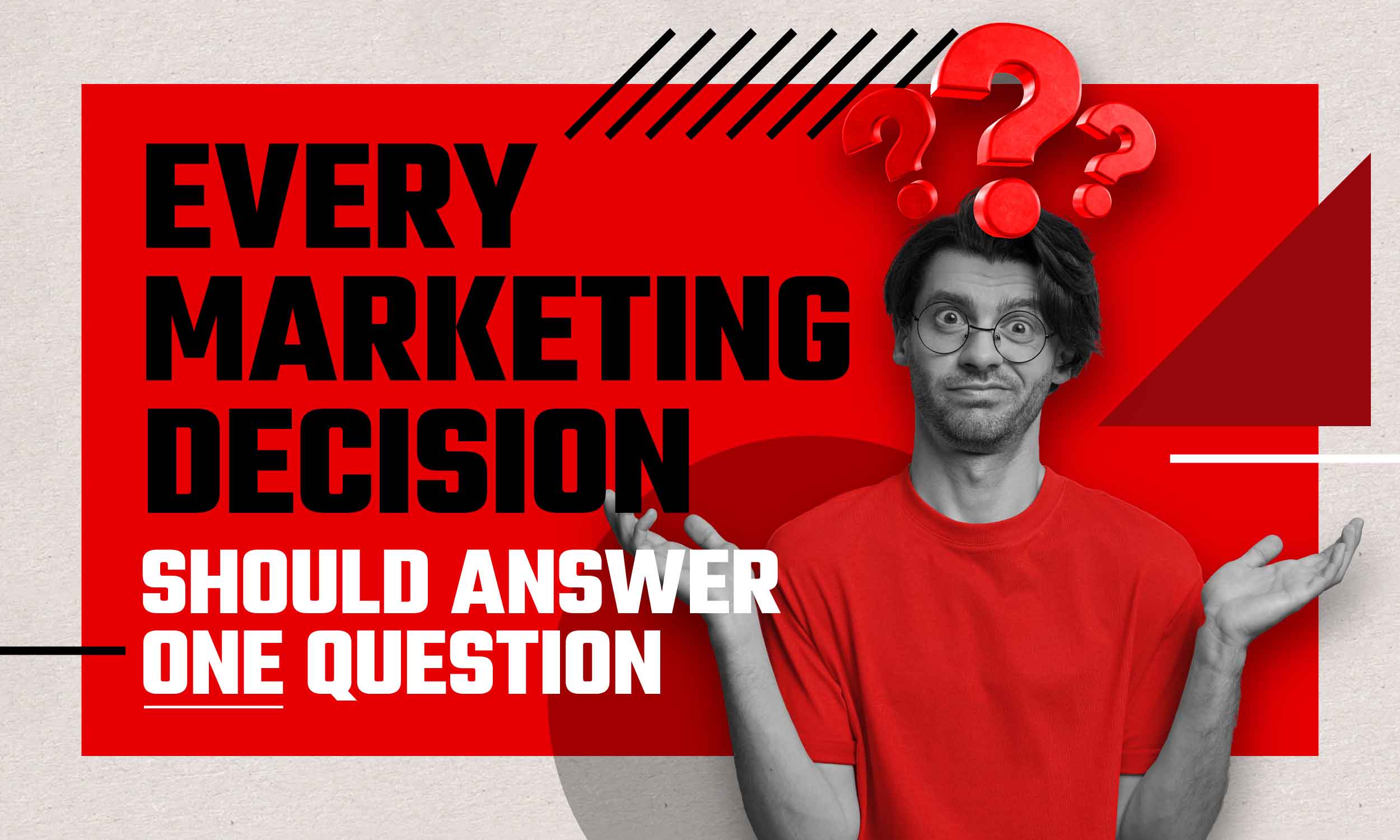
Every Marketing Decision Should Answer One Question
So many marketing questions…
Should you be on TikTok? What is AEO? Should you redesign your website? How often should you post on social media?
To be fair, those aren’t bad questions. They’re just not the most important one.
Before you worry about where you’re posting or what software you’re using, ask yourself this:
Does my marketing answer this one simple question: Can I trust you?
Whether someone lands on your website, reads a blog post, sees one of your social media updates, or finds your business through an AI-generated search result, they’re looking for reasons to trust you. They’re deciding if your company can solve their problem and every piece of marketing either builds confidence or creates doubt.
Customers Are Looking for Proof, Not Promises
Businesses love making claims.
“We’re experienced,” “We’re customer-focused,” “We’re innovative,” “We’re the best.”
But your competitors are saying the same thing.
Buyers have learned to tune out these kinds of statements because they’re easy to make. What they’re looking for is proof.
Can you show the work you’ve done? Can you explain your process? Can you answer the questions they’re already asking? Can you demonstrate that you’ve solved similar problems before?
Trust isn’t built because you tell people you’re good at what you do. It’s built because you consistently provide evidence that you are.
Your Website Is Either Building Trust or Losing It
Many companies think of their website as an online brochure. We like to think of it as your silent salesperson.
Long before someone fills out a contact form or calls your number, they’re quietly evaluating your business.
They’re asking questions like:
- Have they done this before?
- Do they understand my industry?
- Are they legitimate?
- Will they be easy to work with?
- Can I rely on them?
If your website doesn’t answer those questions, visitors will look elsewhere for answers or move on to a competitor who does.
Clear messaging, easy navigation, current photos, detailed service pages, and real examples of your work all help reduce uncertainty. Every unanswered question is another opportunity for doubt to creep in.
Helpful Content Builds Confidence
One of the biggest misconceptions about content marketing is that it’s about publishing as much as possible.
It isn’t.
The goal is to answer more questions.
Think about the conversations your sales team has every week. What do prospects ask before they buy? What misconceptions do they have? What concerns come up over and over?
Those are your best marketing topics because they’re rooted in real customer needs.
When someone finds an article that genuinely helps them understand a problem or make a better decision, they’re more likely to view your business as knowledgeable and trustworthy. That’s valuable whether they’re reading your content directly or encountering it through AI-powered search experiences that increasingly prioritize helpful, authoritative information.
Bottom line: Be helpful.
Case Studies Tell a Better Story Than Claims Ever Will
Saying you’re good at your job is easy. Showing someone how you solved a problem is much more convincing.
Case studies demonstrate experience in a way marketing copy never can. They give potential customers a chance to see your approach, understand the challenges you overcame, and imagine what it might be like to work with you.
The same goes for testimonials, reviews, and project photos.
They’re not just marketing assets. They’re evidence.
Consistency Matters More Than Perfection
Trust isn’t built in a single interaction…It’s built over time.
Someone might discover your business through a Google search, read a blog post a week later, see one of your LinkedIn updates the following month, and finally visit your website when they’re ready to make a decision.
Every interaction contributes to the overall impression of your business, which is why consistency is so important.
A polished website paired with inactive social media and outdated blog posts sends mixed signals. Likewise, frequent posting won’t make up for a website that leaves visitors confused about what you do.
The goal is consistency in the experience people have with your brand, not perfection across every channel.
Ask Better Marketing Questions
Businesses often ask questions like:
- Should we post more on social media?
- Do we need to invest in SEO?
- Should we redesign our website?
- Is AI changing everything?
Those questions matter but they’re tactical. A better question is this: Will this help our customers trust us more?
If the answer is yes, it’s probably worth doing. If the answer is no, it may just be another distraction.
That simple filter can help guide everything from website improvements and content creation to branding, advertising, and customer communication.
The Question That Really Matters
Marketing trends will continue to change. New platforms will emerge. Search engines will evolve. AI will reshape how people discover information.
But one thing isn’t likely to change: people prefer doing business with companies they trust.
The businesses that earn that trust aren’t always the loudest. They aren’t necessarily the ones with the biggest advertising budgets or the flashiest social media presence.
They’re the ones that consistently reduce uncertainty, answer questions before customers ask them, demonstrate expertise instead of simply claiming it, show their work, and share customer success stories.
They earn trust because they make it easy for people to understand who they are, what they do, and why they’re worth choosing.
So the next time you’re evaluating a marketing idea, don’t start by asking whether it’s trendy or whether your competitors are doing it. Start with the question your customers are already asking: Can I trust you?
If your marketing answers that well, you’re headed in the right direction.
Dream Team Marketing is a full-service marketing agency that uses creativity to connect your brand to your audience and help your business grow. We were founded to do what we are passionate about: Putting creativity to work and connecting brands to their audience, connecting audiences to your company goals, and connecting your business to the success it deserves.